
Best Time to Pour Concrete in Middle Georgia: Seasonal Guide
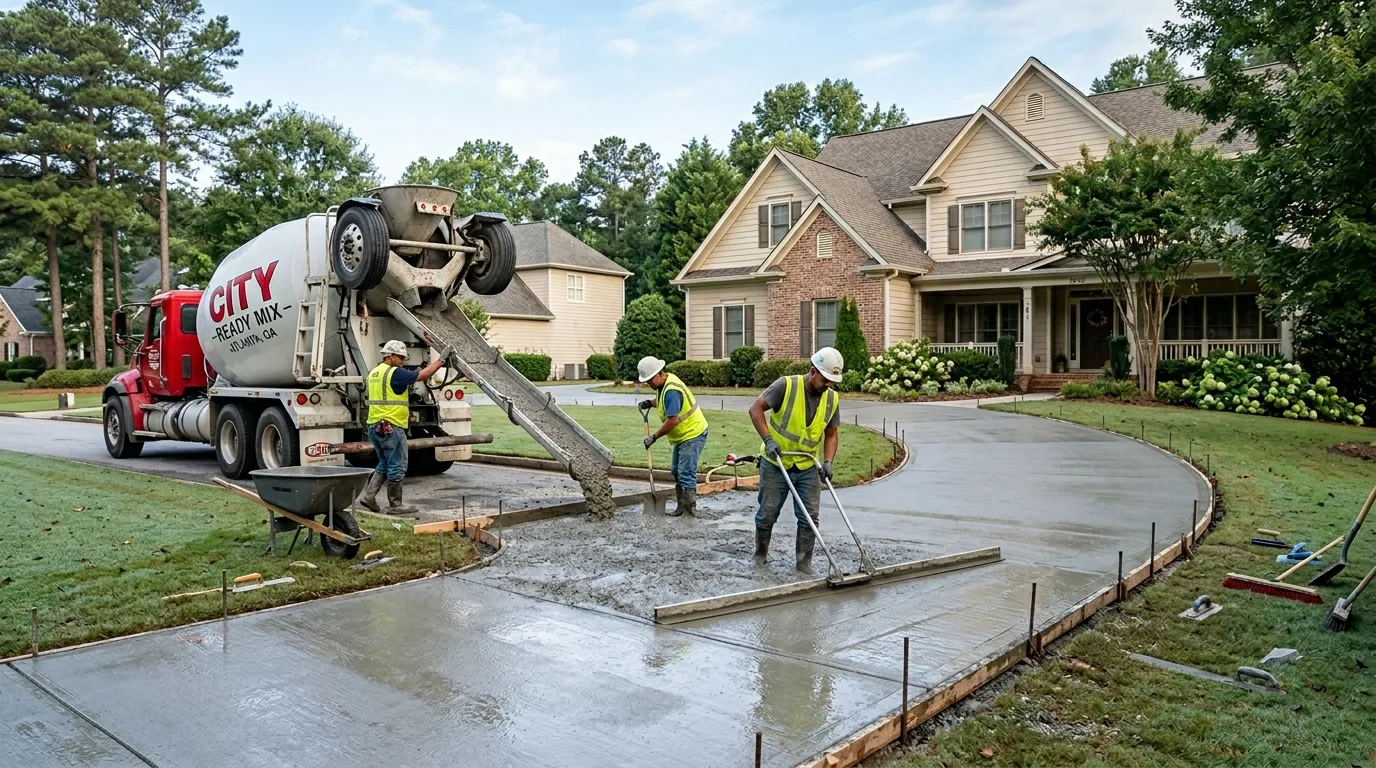
Timing matters more for concrete in Middle Georgia than in many other regions of the country. Macon’s combination of 90°F summers, 30–40 annual freeze-thaw cycles, and high humidity year-round creates a wider range of conditions that affect curing quality, scheduling risk, and long-term concrete performance than most homeowners realize. This guide walks through every season in Macon with specific timing guidance for driveways, patios, slabs, and foundations.
Schedule Your Macon Concrete Project at the Right Time
Macon Concrete Pros matches project scheduling to Bibb County's seasonal conditions. Call (888) 376-0955 for availability.
Why Timing Matters for Concrete in Macon
Concrete doesn’t “dry” — it cures through a chemical reaction (hydration) that requires temperature, moisture, and time to reach designed strength. Conditions that interfere with hydration — extreme heat that accelerates moisture loss, cold temperatures that slow or stop the reaction, or rain that dilutes the surface — directly affect the strength and durability of finished concrete.
In Macon’s climate, the primary seasonal risks are: plastic shrinkage cracking from rapid moisture loss in summer heat, freeze-thaw damage to freshly placed concrete in winter, and rain events that can saturate the sub-base or damage unfinished surfaces. Scheduling concrete work in Bibb County with these risks in mind extends the life of any installation by years.
Types / Options: Seasonal Conditions in Macon
Spring (March–May): Best overall season. Temperatures in Macon average 60–80°F in March through early May — the ideal range for concrete curing. The concrete has adequate time to set before heat accelerates moisture loss, and overnight temperatures stay above freezing after mid-March. Spring is the best season for stamped concrete in Macon because the working window between pour and final set is long enough for crews to stamp, detail, and color large areas properly.
The caveat: spring is also Macon’s wettest shoulder season. March averages the highest monthly rainfall in Bibb County. Rain within the first 24–48 hours after a pour can damage the surface finish and dilute the surface strength. Watch the 72-hour forecast carefully and be prepared to reschedule when significant rain is imminent.
Summer (June–August): Challenging, manageable with precautions. Macon averages 92°F highs in July — temperatures that accelerate moisture evaporation from fresh concrete surfaces significantly. Plastic shrinkage cracks form when moisture leaves the surface faster than bleed water rises from within the slab, creating tensile stress that the fresh concrete can’t resist.
Summer concrete work in Macon requires: early morning pours (starting before 7 AM to place concrete before peak heat), windbreaks if any breeze is present, evaporation retarder sprayed on the surface before finishing, and curing compound or wet curing applied immediately after finishing. These precautions add cost and planning complexity but make summer concrete viable. Concrete driveway installation and basic slab work proceed reliably in Macon’s summer with experienced contractors. Stamped concrete is more difficult and generally best deferred to fall.
Fall (September–November): Ideal season. Fall in Macon offers the best combination of favorable conditions: temperatures drop from summer’s peaks, rainfall is lower than spring, and no freeze risk exists through October and most of November. Contractor scheduling lead times are also typically shorter in fall than spring, as the peak spring construction season demand has passed. Fall is the best season for stamped concrete and any decorative concrete work in Macon.
The exception: late November in Macon can bring early freeze events. Georgia’s USDA Zone 8a means frost is possible from mid-November onward. Any concrete poured in late November should be protected with thermal blankets for the first 7 days of cure if overnight temperatures are forecast below 40°F.
Winter (December–February): Difficult, possible with precautions. Macon averages 30–40 freeze-thaw cycles per year, most occurring November through March. Freshly poured concrete that freezes before reaching a minimum strength of approximately 500 PSI — typically within the first 24–48 hours — will suffer permanent strength reduction. Ice crystal formation disrupts the hydration chemistry and creates internal fractures that manifest as spalling and scaling within the first 1–3 seasons.
Winter concrete work in Macon requires: concrete accelerators to speed strength gain, insulating thermal blankets over the slab for 7+ days after pour, verification that substrate temperature is above 40°F before placing concrete (cold substrate draws heat from the concrete and slows strength gain), and careful weather monitoring. Most experienced contractors in Bibb County will decline to pour concrete when multi-day freezing temperatures are forecast. For urgent projects, heated enclosures can protect concrete from freezing but add significant cost.
Practical Uses for This Seasonal Guide
- Planning project start dates: If you want a concrete patio in Macon ready for spring entertaining, schedule the installation in March or April — not May, when lead times stretch and you’re competing with the peak spring construction rush.
- Getting stamped concrete right: Book stamped concrete in September or October for fall installation. This gives you the widest stamping window, lowest rain risk, and most predictable contractor availability in Middle Georgia.
- Avoiding permitting delays: Account for 5–10 business days of permit processing time from the Macon-Bibb County Building & Fire Safety Department in your project timeline, regardless of season.
- Protecting new concrete through first winter: Any concrete poured after October 15 in Macon should be sealed before the first freeze risk — typically by December 1. Unsealed new concrete with no frost protection is particularly vulnerable in its first winter before it has fully cured and hardened.
- Managing summer pours: Schedule summer concrete work before 9 AM when possible. The temperature differential between early morning and peak afternoon in Macon during July can be 25–30°F — a meaningful difference for fresh concrete management.
How Bibb County’s Freeze-Thaw Cycles Affect Concrete Maintenance Timing
Regardless of when concrete is installed in Macon, the freeze-thaw season drives the most important maintenance timing decision: sealing. The best time to seal concrete in Macon is late September or October — after summer’s heat has passed, before the first freeze risk, and while contractor scheduling is still available.
Sealing before the freeze season protects against the primary mechanism of concrete deterioration in Middle Georgia: water penetrating surface cracks, freezing, expanding, and widening the crack through each of Macon’s 30–40 annual cycles. A concrete sealer applied before November 1 each year significantly extends the service life of any concrete surface in Bibb County.
Ready to Schedule Your Macon Concrete Project?
Macon Concrete Pros helps you choose the best installation window for your project. Call (888) 376-0955.
Cost Factors
Seasonal timing doesn’t change concrete pricing dramatically in Macon, but it affects availability and scheduling. Peak spring demand (April–May) and the early fall rush (September–October) are when contractor lead times are longest in Bibb County. Scheduling in the “shoulder” periods — March or November — often gets projects started sooner. Winter scheduling (December–February) sometimes brings modest pricing flexibility from contractors seeking to maintain crew activity, but the precaution costs (accelerators, blankets, weather monitoring) typically offset any discount.
See our Macon concrete cost guide for full pricing by service type, and our concrete permit guide for Macon for permit timing considerations.
Frequently Asked Questions
Can concrete be poured in winter in Macon, GA?
Yes, with precautions. Winter concrete work in Macon requires concrete accelerators to speed strength gain, thermal blankets to prevent freezing during the first 7 days of curing, substrate temperature verification before the pour, and careful weather monitoring. Most surface repairs and standard flatwork can proceed in Macon’s typical winter weather; pours should be avoided when multi-day sustained temperatures below 25°F are forecast. Contact us to discuss winter scheduling for your specific project.
Does summer heat affect concrete quality in Macon?
Yes — Macon’s 90°F+ July heat accelerates moisture evaporation from fresh concrete surfaces, increasing the risk of plastic shrinkage cracks. Experienced contractors manage this with early morning scheduling, evaporation retarders, and prompt curing compound application. Broom finish and slab work proceed reliably in Macon summers with these precautions. Decorative finishes like stamped concrete are more weather-sensitive and generally best deferred to fall.
What month gets the best concrete results in Macon?
October is typically the best month for concrete installation in Macon: temperatures have dropped from summer peaks to the 65–75°F range, rainfall is lower than spring, no freeze risk exists until mid-November at the earliest, and contractor scheduling flexibility is better than peak spring season. If October isn’t feasible, April and May are excellent alternatives.
Concrete Macon — Best Results, Best Timing
Call Macon Concrete Pros at (888) 376-0955 to discuss your ideal project window in Middle Georgia.
Related: